
4th International Conference on
Cardiology
Tokyo, Singapore November 19-20, 2025
Cardiology Summit 2025

Theme: Modernizations in Cardiovascular Interventions: Assessment to Regeneration
Step into the realm of knowledge and innovation at the upcoming "4th International Conference on Cardiology" Hybrid Event, slated for November 19-20, 2025 in the dynamic city of Tokyo, Japan. This hybrid event offers the flexibility to engage either in person in Tokyo City or virtually from the convenience of your home or workplace. Themed " Modernizations in Cardiovascular Interventions: Assessment to Regeneration "this global colloquium innovations such as gene-based medicine, device therapy, and ground-breaking cell technologies are spearheading a transformative revolution in cardiology, shaping the landscape of patient care and clinical practices..
Over two days, the summit will unravel recent trends and breakthroughs in cardiology, inviting prominent researchers, cardiologists, cardio-thoracic surgeons, healthcare professionals, students, professors, nurses, scientists, and business professionals. Join this convergence to explore topics ranging from Heart Diseases, Clinical Cardiology, Pediatric Cardiology, Sports Cardiology, Cardiac Surgery, Cardiac Nursing, and many more.
Cardiology Summit 2025 provides a dedicated platform for keynote sessions, oral and poster presentations, fostering a unique environment for collaboration and the exchange of knowledge. Connect with esteemed individuals from medical centers, universities, heart associations, and leading cardiac experts globally.
Session 1: Cardiovascular Diseases and Disorders
Cardiovascular diseases: Cardiovascular diseases involve the heart and blood vessels. Now it is the common cause of death. Age, sex, tobacco use, physical inactivity, excessive alcohol consumption, unhealthy diet, obesity are factors of heart diseases. Heart attacks and strokes are mainly caused by blood vessel blockage that stops blood from flowing to the heart or brain. Symptoms include: chest pain, discomfort on arms, left shoulder, elbows, jaw or back, difficulties in breathing, feeling sick or vomiting. People facing these symptoms should look for medical care immediately.
Some of the cardiovascular diseases:
- Cardiomyopathy
- Hypertensive heart disease
- Heart failure
- Pulmonary heart disease
- Cardiac dysrhythmias
- Endocarditis-inflammation
- Myocarditis
- Rheumatic heart disease
- Coronary artery disease
- Peripheral arterial disease
Cardiology Summit 2025 | Cardiovascular Symposium |Heart Health Summit | Cardiology Congress | Cardiovascular Medicine Forum
Session 2: Cardiovascular Pharmacology
Cardiovascular pharmacology: Cardiovascular pharmacology involves drugs that are used in the treatment of cardiovascular diseases. Many medications are used to treat various heart conditions.
Some examples of the drugs used as cardiovascular medicine include:
- Anticoagulants or blood thinners
- Antiplatelet agents
- Thrombolytic agents
- Angiotensin-converting enzyme (ACE) inhibitors
- Angiotensin II receptor blockers (ARBs)
- Diuretics
- Calcium channel blockers
- Vasodilators
Cardiac Science Convention | Cardiac Care Meeting | Cardiology Assembly | Cardiovascular Health Workshop | Heart Medicine Seminar | Cardiac Research Symposium
Session 3: Neurology and Cardiology
Neurology and cardiology includes to the pathophysiological interplays of the nervous and cardiovascular systems. The constant communication between the brain and the heart have proved invaluable to synthesizing fields of neurological and cardiac diseases. The neuro-cardiac alliances the link to many problems regarding the physiological functions of the body.
This includes:
- Stress
- Arrhythmias
- Stroke
- Epilepsy
Cardiovascular Health Conference | Heart Care Symposium | Cardiovascular Innovations Forum | Cardiac Disorders Congress | Cardiology Conferences 2025
Session 4: Hypertension and Obesity
Hypertension: Hypertension is a major condition that significantly increases the risks of heart, brain, kidney and other diseases. Blood pressure is determined both by the amount of blood your heart pumps and the amount of resistance to blood flow in your arteries.
Obesity: Obesity is a disease including an excessive amount of body fat. Obesity is a health problem that increases risk of other diseases and health problems like heart disease, high blood pressure, certain cancers, and diabetes.
Causes of Obesity:
- Physical inactivity
- Overeating
- Genetics
- A diet high in simple carbohydrates
- Frequency of eating
- Medications
- Psychological factors
- Diseases like hypothyroidism, insulin resistance, polycystic ovary syndrome, and Cushing's syndrome also contribute to obesity
Cardiology Conferences | Heart Congress 2025 | Cardiovascular Conference | Cardiovascular Diseases Events 2025 | Heart Disease Conference
Session 5: Thoracic and Cardiovascular Surgery
Thoracic Surgery: Thoracic surgery indicates the operations on organs in the chest, including the heart, lungs and esophagus. Thoracic surgeries cover coronary artery bypass surgery, heart transplant, lung transplant and removal of the lung affected by cancer.
Types of Thoracoscopic Surgery Procedures:
- Video-Assisted Lobectomy
- Wedge Resection
- Lung Biopsy
- Drainage of Pleural Effusions
- Mediastinal, Pericardial, and Thymus Thoracoscopic procedures
Cardiovascular Surgery: Cardiovascular surgery defined as heart surgery. It relates surgical procedure which includes the heart, or the blood vessels that carry blood to heart.
Types of heart surgery:
- Coronary artery bypass grafting
- Heart valve repair or replacement
- Pacemaker Insertion or cardioverter defibrillator (ICD)
- Maze surgery
- Aneurysm repair
- Heart transplant
- Ventricular assist device (VAD) or total artificial heart (TAH) insertion
Cardiology Conference 2025 | Cardiovascular Summit | Heart Health Symposium | Cardiology Summit | Cardiovascular Medicine Congress | Cardiac Science Forum
Session 6: Cardio-Oncology and Nuclear Cardiology
Cardio-Oncology: Cardio-oncology is a study of cardiology that involves on the monitoring, detection and treatment of cardiovascular disease resulting as a side effect of chemotherapy and radiology. A number of cardiologists treat and manage patients with heart disease and cancer.
Nuclear Cardiology: Nuclear Cardiology studies use autoimmune techniques to evaluate myocardial blood flow, the pumping function of the heart as well as envision the size and location of a heart attack. Among all the techniques of nuclear cardiology, myocardial perfusion imaging is the mostly used.
Types of Nuclear Cardiology Tests:
- Cardiac SPECT
- Cardiac PET-CT
Cardiac Care Convention | Cardiology Meeting | Cardiovascular Health Assembly | Heart Medicine Workshop | Cardiac Research Seminar
Session 7: Cardiovascular Imaging and Image Analysis
Cardiovascular Imaging: Cardiac imaging is a diagnostic radiology that uses medical images to diagnose cardiovascular diseases and to detect the defects in the size and shape of the heart. It is used to diagnose many diseases including:
- Coronary heart disease.
- Heart failure or valve problems.
- Damage caused by a heart attack.
- Congenital heart defects
- Pericarditis
- Cardiac tumors.
Image Analysis: Image analysis includes processing an image into fundamental components to remove important information. Image analysis involves tasks such as finding shapes, removing noise, counting objects, detecting edges and calculating statistics for texture analysis or image quality. Methods used for image processing are:
- Analogue image processing
- digital image processing
Cardiovascular Health Summit 2025 | Heart Care Conference| Cardiovascular Innovations Symposium | Cardiac Disorders Summit | Cardiology Congress 2025
Session 8: Clinical Case Reports on Cardiology
A case report in medicine is defined as a comprehensive report of the symptoms, signs, diagnosis, treatment, and follow-up of an individual patient. Case reports may contain a demographic profile of the patient, describe an unusual occurrence or may contain a review of other reported clinical cases.
Case reports on Cardiology are expert reports that provide comprehensive note on cardiology treatment and provide an outline for early signals of effectiveness, adverse events, and cost.
Cardiology Congress 2025 | Heart Conference 2025 | Cardiovascular Events | Cardiovascular Diseases Meetings 2025 | Heart Disease Symposium
Session 9: Stem Cell Research and Regeneration on Cardiology
Stem Cell Research: Stem-cell research is a research that involves the properties of stem cells and their potential utilize in medicine. Stem cells are the origin of all tissues, describing their properties helps in our understanding of the healthy and diseased body's development and homeostasis. There are five different types of stem cells discussed;
- Totipotent (or Omnipotent) Stem Cells
- Pluripotent Stem Cells
- Multipotent Stem Cells
- Oligopotent Stem Cells
- Unipotent Stem Cells
Regeneration on Cardiology: Cardiac regeneration is a wide attempt that straight to repair inevitably harmed heart tissue with cutting-edge science, involving stem cell and cell-free therapy. Many tools have been developed to replace injured heart tissue and impaired heart function using the body's natural ability to regenerate.
Cardiac Surgery Events | Heart Transplant Conference | Coronary Bypass Surgery Meets | Cardio-oncology Summit | Hypertension Symposium | Heart Attack Congress
Session 10: Current Research and Advances in Cardiology
Current Research in Cardiology: With recent development of innovative techniques and devices, management and treatment of cardiovascular diseases has improved to a great extent saving numerous precious lives. Discuss current research trends in Cardiology at CWC 2021.
Advances in Cardiology: Few of the chief advances in cardiology include the new guidelines on revascularization, new developments in the treatment of cardiogenic shock, novel stent technology and clinical trial data shows no benefit of dropping aspirin after stenting procedure.
Coronary Artery Disease Assembly | Cardiovascular Congress | Preventive Cardiology Seminar | Pediatric Cardiology Forum| Sports Cardiology Congress
Session 11: Women’s Cardiovascular Health
Cardiac Problems during Pregnancy: Cardiac problems during pregnancies include symptoms like fatigue, chest pain, and shortness of breath, fainting, difficulty breathing while sleeping. Fainting occurs due to blood pressure and volume changes in pregnancy.
Common heart problems that affect women include:
- Shunt lesions
- Obstructive Lesions
- Complex lesions
- Cyanotic heart disease
Cardiac Surgery Conference | Heart Transplant Meets | Coronary Bypass Surgery Summit | Cardio-oncology Symposium | Hypertension Congress | Heart Attack Symposium
Session 12: Preventive Cardiology
The preventive cardiology has started to treat the spectrum of coronary disease risk factors and coronary artery disease through the assessment of individual risk and early initiation of interventions to prevent, delay or modify the development of clinical atherosclerosis which will be primary and also after the manifestation of symptomatic coronary artery disease. The main aim of Preventive Cardiology is to identify people with high risk of developing cardiac disease.Prevention of cardiovascular disease achieve by doing regular exercise, by healthy dieting, by avoiding tobacco smoking, excessive alcohol and by maintaining of an optimal blood pressure and normal LDL-cholesterol and glucose levels.
Coronary Artery Disease Congress | Cardiovascular Seminar | Preventive Cardiology Forum | Pediatric Cardiology Congress | Sports Cardiology Assembly
Session 13: Pediatric & Geriatric Congenital Cardiovascular Disease
Pediatric Cardiovascular Disease: Pediatric heart disease describes different heart conditions in children. Pediatric heart disease refers to a problem that causes a change in blood flow through the heart in children. Pediatric Cardiovascular Disease is the most common birth defect.
- Developmental delays and disorders
- Behavioral problems
- Functional disabilities
- Cocial stresses
- Mental disorders including depression and anxiety disorders
Congenital Cardiovascular Disease: Congenital cardiovascular disease is also known as congenital heart disease (CHDs) and constitutes most common type of birth defects. As advanced medical care and treatment, babies with a CHD are living longer and healthier lives. CHDs are present at birth and affect the structure of a baby’s heart. CHDs range from small hole in the heart to missing or poorly developed parts of the heart.
Different types of CHDs
- Atrial Septal Defect
- Atrioventricular Septal Defect
- Coarctation of the Aorta
- Double-outlet Right Ventricle
- Ebstein Anomaly
- Interrupted Aortic Arch
Geriatric cardiology refers to as the offering cardiovascular care to the geriatric population taking into consideration principles of geriatric medicine alongside into the daily routine care of ageing population with cardiovascular diseases.
Cardiology Meeting 2025 | Cardiovascular Seminar |Heart Health Symposium | Cardiology Forum | Cardiovascular Medicine Summit
Session 14: Cardiovascular Engineering and Technology
Cardiovascular Engineering: Cardiovascular engineering involves both the diagnosis and treatment of cardiovascular disease. Cardiovascular engineering research includes the complete biological cardiovascular tissues for regenerative-medicine applications, the study and treatment lymphatic disorders and the study of calcification within the cardiovascular system.
Cardio-vascular technology: Cardiovascular technology describes the diagnosis and treatment of heart-related and blood vessels-related conditions. Cardiac Technology explains how to use imaging technology and perform an ultrasound. Observing heart rates, elucidating procedures to patients and reviewing their files are all essential in cardiovascular technology.
Cardiac Science Meetings | Cardiac Care Convention | Cardiology Workshops | Cardiovascular Health Assembly | Heart Medicine Symposium | Cardiac Research Seminar
Session 15: Nephrocardiology
Nephrocardiology includes the clinical conditions that involves both heart and kidney. If a person has kidney disease, he is more likely to get heart disease. Heart disease is a common cause of death among people who have kidney disease.
Kidney disease and heart disease shares mainly two causes:
Coronary Artery Disease Seminar | Cardiovascular Forum | Preventive Cardiology Congress | Pediatric Cardiology Assembly | Sports Cardiology Seminar
Session 16: Genetics of Heart & Vascular Disease
Genetics of Heart Disease: Genetics can direct the risk for heart disease. Genes control every details of the cardiovascular system, from the strength of the blood vessels to the cells in the heart. Genetic mutations in a single gene influence the likelihood of developing heart disease.
There are 3 Common Inherited Heart Diseases:
- Familial Hypertrophic Cardiomyopathy
- Familial Dilated Cardiomyopathy
- Familial Hypercholesterolemia
Vascular Disease : Vascular disease affects the blood vessels. As heart beats, it pumps blood with oxygen and nutrients to feed tissues and it carry off waste.
Types of Vascular Disease:
- Abdominal Aortic Aneurysm
- Atherosclerosis
- Carotid Artery Disease/Carotid Artery Stenosis
- Chronic Venous Insufficiency
- Intermittent Claudication
- Deep Vein Thrombosis
Cardiac Surgery Conference | Heart Transplant Meets | Coronary Bypass Surgery Summit | Cardio-oncology Symposium | Hypertension Congress | Heart Attack Symposium
Session 17: Clinical and Experimental Cardiology
Clinical cardiology: Clinical cardiology produces more than one type of imaging, which is used to evaluate patients for cardiac disease. Coronary angiography is a gold standard which is used for diagnosis of coronary artery stenosis and magnetic resonance imaging is performed to determine gross anatomy and SPECT is used to estimate myocardial perfusion.
Experimental Cardiology: Experimental Cardiology discuss about heart health-related issues, including hypertension, myocardial ischemia, diabetes, and other cardiovascular diseases.
Cardiac Surgery Events | Heart Transplant Conference | Coronary Bypass Surgery Meets | Cardio-oncology Summit | Hypertension Symposium | Heart Attack Congress
The World cardiology market is valued at approximately USD 23.8 billion in 2023 and is expected to grow at a compound annual growth rate (CAGR) of around 7-8% over the next few years. The market is divided into segments such as diagnostic devices, intervention cardiology devices, cardiac rhythm management devices, and cardiac surgery devices. The rise in the number of people suffering from heart diseases, hypertension, and other cardiovascular conditions is a primary driver of market growth. An ageing global population is more susceptible to heart-related conditions, thus driving demand for cardiology products and services. Innovations in medical technology, such as minimally invasive procedures, advanced imaging techniques, and the development of new drugs and treatments, are boosting the market. Increased healthcare spending by governments and individuals in developed and developing regions is supporting market growth.
Customers in the Cardiology Devices market: are increasingly seeking advanced and innovative products that offer improved accuracy, reliability, and efficiency in diagnosing and treating cardiovascular diseases. They are also seeking devices that are more compact and portable, providing greater convenience and ease of use. Additionally, there is an increasing demand for cost-effective solutions to help reduce the overall healthcare expenditure associated with cardiovascular diseases.
Trends in the Market: A key trend in the cardiology devices market is the growing adoption of minimally invasive procedures, such as cardiac cauterization and per cutaneous coronary intervention, are becoming more common as they offer several advantages over traditional open-heart surgeries. These procedures require the use of specialize cardiology devices, such as catheters, stents, and guide wires, which are in high demand.
Another Trend in the Market: The integration of digital technology into cardiology devices is becoming increasingly prominent.
Local Special Circumstances: In certain countries, local circumstances are shaping the cardiology devices market. For instance, emerging economies with a high burden of cardiovascular diseases are focusing on expanding healthcare access and improving care quality. This has led to increased investments in healthcare infrastructure and the adoption of innovative cardiology devices to meet the needs of large populations.
Market Size:
Market size is determined using a top-down approach with bottom-up validation, leveraging financial information from key market players. This rationale is applied to each market and allocated to covered countries according to global market shares. As a basis for evaluating markets, we use relevant key market indicators and data from country-specific associations, such as healthcare expenditure per capital, health risk factors, healthcare system, and regulations concerning medical products.
We are announcing the Young Scientist Awards through the 4th International Meeting on Cardiology which is scheduled on March 17-18, 2025 in Singapore. This Cardiology Summit 2025 focuses on “Modernizations in Cardiovascular Interventions: Diagnosis to Regeneration”.
Cardiology Summit 2025 and upcoming conferences will recognize participants who have significantly added value to the scientific community of Medical science and provide them with outstanding Young Scientist Awards. The Young Scientist Award will provide a strong professional development opportunity for young researchers by meeting experts to exchange and share their experiences at our international conferences.
Cardiology Summit 2025 operating committee is providing a platform for all the budding young researchers, young investigators, post-graduate/Master students, Ph.D. students, and trainees to showcase their research and innovation.
Eligibility: Young Scientists, faculty members, post-doctoral fellows, Ph.D. scholars, and bright Final Year MSc and M.Phil. Candidates and Persons from Scientific Industry can also participate.
Benefits:
The Young Scientist Feature is a platform to promote young researchers in their respective areas by giving them a chance to present their achievements and future perspectives.
Acknowledgment as YRF Awardee
Promotion on the conference website, Young Scientist Awards and certificates
Link on the conference website
Recognition on Meetings Int. Award Page
Chances to coordinate with partners around the world
Research work can be published in the relevant journal without any publication fee
Criteria:
All presented abstracts will automatically be considered for the Award.
All the presentations will be evaluated in the conference venue.
All the awards will be selected by the judges of the award category.
The winners of the Young Scientist Award will receive an award certificate.
The awards will be assessed as far as plan and format, intelligence, argumentation and approach, familiarity with past work, engaging quality, message and primary concerns, parity of content visuals, and by and large impression.
Guidelines:
All submissions must be in English.
The topic must fit into the scientific sessions of the conference
Each individual participant is allowed to submit maximum 2 papers
The abstract must be submitted online as per the given abstract template
Abstracts must be written in Times New Roman and font size will be 12
The abstract must contain the title, name, affiliation, country, speaker’s biography, recent photograph, image, and reference
Conditions of Acceptance:
To receive the award, the awardee must submit the presentation for which the award is given, for publication on the website, along with author permission. Failure to submit the PPT and permission within the designated timeframe will result in forfeiture of the award.
Award Announcements:
The official announcement of the recipients will occur after the completion of Cardiology Summit 2025
Meetings International has taken an initiative to felicitate attendees with awards to recognize, celebrate and encourage achievement in its various conferences and events. We salute and acknowledge attainment within an industry that is continuously evolving and re-drawing the boundaries of best practices. These awards represent the pinnacle of professional achievement for event professionals. To win an award you will have been endorsed by our illustrious panel of the foremost industry professionals which is a sure-fire signifier of your formidable credentials.
Outstanding Speaker in Cardiology Summit 2025: This award recognizes academic and business speakers for their excellent presentation skills and for the significant contribution in Cardiology & Therapy that they make to their professions, their teams, and their patients through their practice, leadership, or research endeavor. The recipient of this award will be chosen by the session chair and co-chair. The awardees will be felicitated after the completion of the oral session. Our Cardiology Conference encourages researchers from across the globe to take part as a speaker at these prestigious events.
Best Keynote Speaker in Cardiology Summit 2025: This award recognizes the notable presentations given during the course of the Cardiology conference. It also recognizes the enthusiasm and determination of the speaker to improve the experience of all who they come into contact with. The award will be given based on the impact of the presentation on the attendees of the event. We will also be taking into account the references taken from the citations of the keynote speaker. These awardees will be felicitated by one of the members of the organizing panel present during the conference.
Best Organizing Committee Member in Cardiology Summit 2025: This award seeks to recognize the continuous support provided by the Organizing Committee members of the conference. The recipient of this award will be selected by the operating committee of Cardiology Summit 2025. The award will be given based on the support and cooperation provided by a member of the organizing panel from the beginning to the successful completion of the conference.
Outstanding Masters/Ph.D./Postdoc Thesis work presentation in Cardiology Summit 2025: This award seeks to recognize the young brains of the current era. The recipient of this award will be selected by the judge of the Young Researchers Forum. This award will be given based on the presentation skills, impact of research, and its applications in the Cardiology field. Participants pursuing Masters, Ph.D. or Post-Doctoral studies are eligible for this award. The awardees will be felicitated after the completion of all the oral presentations delivered under the Young Researchers Forum category.
Best Poster Award in Cardiology Summit 2025: This award recognizes the best poster presentation given during the course of an event. The recipient of this award will be selected by the judge of the poster session. An award-winning poster will be evaluated on presentation content and clarity, innovativeness of approach, communication criteria, and scientific aspects. It will also be based on layout, Cardiology research insights, and analysis and results from the description. The awardees will be felicitated after the completion of the poster session. The honors are given for our Cardiology conferences to perceive the wide scope of obligations and commitment of Cardiology who advance the quickest improvements and inventive practices in the field of Cardiology research. It makes an immense commitment to surpass the research practices and introduce new insights into Cardiology to the globe.
Criteria:
All presented abstracts will automatically be considered for the Award.
All the awards will be selected by the judges of the award category.
The winners will be formally announced during the closing ceremony.
The winners of the Poster Award will receive an award certificate.
The awards will be assessed as far as plan and format, intelligence, argumentation and approach, familiarity with past work, engaging quality, message and primary concerns, parity of content visuals, and by and large impression.
Guidelines:
All submissions must be in English.
The topic must fit into the scientific sessions of the conference.
Each individual participant is allowed to submit maximum 2 papers.
The abstract must be submitted online as per the given abstract template.
Abstracts must be written in Times New Roman and font size will be 12.
The abstract must contain title, name, affiliation, country, speaker’s biography, recent photograph, image and reference.
Each poster should be approximately 1x1 M long. The title, contentes and the author's informatiom should be clearly visible from a distance of 1-2 feet.
Meetings Int. is a worldwide pioneer in delivering top-notch gatherings, workshops, and symposia in every significant field of science, innovation, and medication worldwide receiving 400,000+ online visitors with 1000+ sessions which confirms an outstanding pool of new users and visitors creating a platform to build your market place globally. Since its initiation, Meetings Int. has been related to national and global affiliations, organizations, and elevated-level people, committed to having world-class meetings and occasions so it provides a big platform to show your product and advertising. The Explorer’s traffic is the benchmark for advertisement, and the Cardiology Conference website is continually dragged worldwide. As specified by Google Analytics, in excess of 12,836 researchers and industrials are visiting our conference sites. Cardiology Summit 2025 seminar helps you put the spotlight on your brand by advertising with more than 9 million+ readers worldwide about 5 million+ hits every month on our site. We provide an excellent opportunity to boost your business on our platform. We offer a range of eye-catching advertising spaces and branding. Researchers from powerful nations including the United States, Japan, United Kingdom, India, France, Taiwan, and Germany, etc. Visit our conference site. Subscribers and conference attendees can be your upcoming enthusiastic customers. We maintain high quality and ethical standards in the event industry, which makes us unique and better than the rest. Advertisement banners must be provided by the advertising company and in jpg or jpeg format. The banner must be of high resolution and must not have copyright infringement.
You can also Contact us:
Contact Person: Elena Mickelson
Contact Email: meevents@memeetings.com
- Cardiovascular Diseases and Disorders
- Cardiovascular Pharmacology
- Neurology and Cardiology
- Hypertension and Obesity
- Thoracic and Cardiovascular Surgery
- Cardio-Oncology and Nuclear Cardiology
- Cardiovascular Imaging and Image Analysis
- Clinical Case Reports on Cardiology
- Stem Cell Research and Regeneration on Cardiology
- Current Research and Advances in Cardiology
- Women’s Cardiovascular Health
- Preventive Cardiology
- Pediatric & Geriatric Congenital Cardiovascular Disease
- Cardiovascular Engineering and Technology
- Nephrocardiology
- Genetics of Heart & Vascular Disease
- Clinical and Experimental Cardiology
- Clinical & Experimental Cardiology
- Interventional Cardiology Journal
- International Journal of Cardiovascular Research
- Insights in Pediatric Cardiology
5 Organizing Committee Members
Robert J Chilton
Director
Cardiac Catheterization Laboratory at University Hospital
United States
Samer Ellahham
Chairman
Cleveland Clinic Abu Dhabi
UAE
Adeeb Ahmed
Interventional Cardiologist
Carle Illinois School of Medicine
USA
Gursel Ates
Director
Anadolu Hospital
Turkey

Prof. Dr. Julinda Mehilli
Professor, Ludwig-Maximilians
University of Munich
Germany
4 Renowned Speakers
Stephan Schueler
Newcastle upon Tyne Hospitals
United Kingdom
Shetuan Zhang
Queen’s University
Canada

Andrei Mihnea Rosu
Department of Anatomy, Doctoral School of Carol Davila University of Medicine and Pharmacy, Romania
Romania
Oluwole G. Adeoye1,
Department of Medicine, University of Ilorin Teaching Hospital, Ilorin, Kwara State, Nigeria
Nigeria
fgsg
tgh
Dear Eliza, Thank you for that wonderful opportunity given to share my experiences during the conference. I would like to place on record the smooth conduct of the conference. My appreciation goes a long way to Eliza for her timely communication and well advanced information disseminated processes. The presentation schedule and the time mentioned in the mail sent were also strictly followed. All the best. Regards Kalyani Kenneth Speaker | Psychiatry-2021
Kalyani Kenneth

Dear Laura, Thank you for giving me the opportunity to present my current work! I really enjoyed listening and connecting to a wider international scientist through this conference. And I am really looking forward for the physical conference next year! Best regards Sharmaine
Sharmaine Reintar
Many thanks Laura. It iş my plesure work with you
Pinar Kara
It was my pleasure to be a part of the conference. The talks were technically profound. Thank you once again.
Anupam Mukherjee
Thank you very much for the message. I am glad that the presented poster was appreciated. I'm also grateful for the certificate. Dispite my main work was the subject presented in the session, it would be a pleasure to participate in the webinars.
Ana Rita Domingues
Thank you for your appreciation. I love the support received from you and your admirable patience from invitation till the end of the conference. Thank you very much. I hope to participate in future conferences.
Munezza Khan
Am really grateful for you inviting me to this great event... Am thrilled to be part of this great team, I feel honored 😀😃😄🤝🏻
Aysha Haruna
The conference was arranged nicely through a Webex. I found the sessions interactive and informative. I am looking forward to join the next annual meeting of plant genomics in osaka, japan in april 2022.
Ruchika
Highly appreciate your quick response and I am grateful for all your help.
Dr. P T Sunderam
Informative and Innovative sessions
Michael Lacroix
Delightful event with a wonderful sessions
Mohamed Ebraheem Elmesserey
Very much grateful for this opportunity to share the innovative ideas
Mahmoud Metwaly Taha
It was really informative and excellent platform to share the research ideas
Raktima Chakrabarti
Wonderful experience
KHALED NASR ELDIN REYAD
Thank you very much for organizing this wonderful conference
JIMMY KAYASTHA
it was impressive and left me a very good memory.
VAISHALI SAMIR JOSHI
I learnt a lot from the conference and hope to attend the next conference
Deepak Mane
It was a nice and well-organized meeting! Thank you for all your efforts of having put it together.
Vladimir Startsev
The conference was exciting. I enjoyed so much meeting new colleagues at the venue. I would like to express my sincere gratitude to you for your assistance and opportunity. It was a good experience attending this conference.
Daniela Capdepon
It was great being a part of Surgery 2021
Hadi Nural
How much I appreciate your support, you and your job are meaningful. I always wish the best for you. Thank Laura a lot
Kevin Ton
Hats off to you and fellow organizers. Great opportunities for sharing and networking!
Karen Swanepoel

It was a pleasure to participate in this year’s meeting (even in webinar format due to the COVID-19 pandemic) and I hope the participants enjoyed my talk. There were some interesting talks taking place today and the whole experience was enjoyable like last year. Please rest assured that I will be happy to join next year’s meeting as well, hopefully with a physical presence.
Vasileios Fotopoulos
It was my pleasure to attend this conference. Thanks for your kind efforts.
Saeed Taheri
Thank you for your effort for having made "Pharmacology 2019 conference" wonderful success. Thank you again for that.
Ryong Nam Kim
Thanks for holding a nice conference.
Ramin Ataee
I enjoyed the conference. Italy will be a great place to have the next conference. I look forward to 2020 edition.
Paul Njiruh Nthakanio
I am very happy to make a seminar in the conference. If I have a chance to present my work in your conference, I would talk it in your conference in future.
Takayuki Momma
It was good to connect with a diverse group of scientists - thanks very much for the invite
Thomas P Brutnell
It was a nice experience for me to attend plant genomics conference in Osaka and meet researchers from different countries.
Behnam Derakhshani
It has been an excellent experience.Thank you a lot for this opportunity. I enjoyed it very much!
Julio Cesar Vega
I definitely would like to join your conference again. It was so great about everything. I think I would say great coordination and services.
Maryam Jenabi
Great experience being a part of this conference as a moderator
Soizic de Beaucorps
Amazing experience full of knowledge and meeting new people. Looking forward to being back
Thomas Frederick Hartley
Thanks a lot. It was an excellent event. Really enjoyed.
Umesh Prabhu
It was a pleasure and a great opportunity to be one of the Keynote speakers. I welcome the opportunity to speak at additional conferences in the future. Please keep my contact information for future consideration.
Sharon Nixon-Crenshaw
Thank you for assisting in my participation in a superbly organized Conference. I especially appreciate that you made a special session for me. And once again, sincerely thank you for inviting me to the Conference.
Albert Krashenyuk
Thank you for all your help for the meetings. It was for me a great experience to be in a kind and so scientific group.
Katia lollai
I enjoyed a lot thank you. I thank Meetings International for the quality of the event. All the speakers i had notice of were well prepared and highly motivated Compliments!
Dora Dragoni Dıvrak
Thank you for organizing the conference. It was nice to partake in the event.
Marcello Menapace
I enjoyed participating in the congress and thank you for your efforts to make it easy for participants. Please keep me in mind for future meetings.
Debendra Kumar Tripathy
It was a nice meet and we had a wonderful time in Paris Thank you once again for the arrangement. I would be interested in participating future meetings.
Prasanna Udupi Bidkar

Thank you so much for giving me a chance to my research presentation in your conference.
Seyedataollah montazam
I enjoyed being in the conference. Thanks for you excellent arrangement for my participation. Looking forward for next meetings.
Afaf El Ansary
The conference is very nice, Thank you so much for inviting me to your esteemed event.
Esmira Naftali
The conference was very good. I hope to attend similar meeting in future. Thank you .
Lia Monica Junie

I am indeed glad to acknowledge that for last two days during Optics-2018, International conference on Lasers, Optics and Photonics it was Successfully conducted and we had very fruitful discussions and interactions to make many great friends for life. Many Delegates had interactions with many famous Japanese University Professors and company Managers too for their future possibilities of R&D collaborations. I had arranges a session for such interactions while eating and discussing with relaxed environment and taking group pictures. The hospitality provided by your Organization Committee Members was excellent to help completing Conference Inauguration, all Keynote Speeches, Oral Presentations And Poster session had very high-quality research presentations in many advanced research areas such as Spectroscopy, Ultra high power Lasers, Fibers, Advances in stabilized high frequency mode-locked pulsed Fiber Lasers, MEMS, Optical Interconnects, Photonics and Advanced Optical Biomedical Imaging, THz and optical communications and Interconnects, theoretical and experimental research and so on from highly recognized Professors and Researchers in Japan and advanced institutions in many advanced countries.
Dr. Brahm Pal Singh
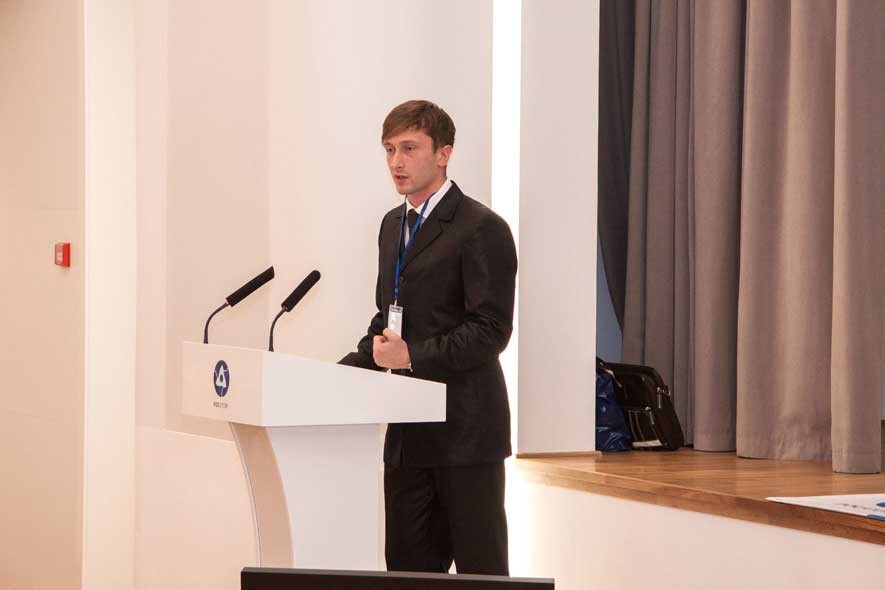
I wish to thanks you for my perfect time on conferense in Osaka. It was great experience for me.
Anton Podkopaev
I wish to thanks you for my perfect time on conferense in Osaka. It was great experience for me.
Dr. Anton Podkopaev
I would refer this organization future conferences to my colleagues and also love to join again in diabetes related events. More topics on diabetes should be there in future diabetes conferences.
Radia Boufermes
Thank you for the invitation and the opportunity to participate. It was very good.
Juliana Francisca Grossi Heleno
Thank you very much for the invitation and it was a great honor for me to join this conference. I had a great time.
Alkis Konstantinopoulos
It was a good event and got to make good friends out there.
Nur Ozel
Thank you so much. Really we appreciate the Congress, hope next time it will be longer. Everything was ok, the venue, colleagues, organizing team. Thank you and hope to meet soon in other Congress soon.
Sameh Samy Abdou
It was a great pleasure of mine to be there during the conference looking forward to joining your future conferences
Ahmed Halim Ayoub
The theme of the conference and the scientific panel are very interesting! I am looking excited to learn many new things on this innovative platform
Lisa mattheu
I would love to attend the Infectious Diseases 2019 conference. The hospitality, the renowned speakers, and the city are awesome. Looking forward to it!
Dr. Ianane Jireh Ramos canizares
Hello Daniel, Thank you for the invitation to the conference. It was an interesting experience. I am glad that my presentation was liked. Like the effects of my work. Stay in touch. Best Regards !
Aneta Zymon
Thank you to Daniel Raybin with Wound Care 2018 for allowing me to be the Keynote Speaker for the conference. Dr. Jeff Mayo and I met colleagues from other countries such as Poland and Ukraine that work in plastic medicine and surgery. We are excited to share our knowledge of wound care in the veterinary industry so that our human medicine counterparts can offer the same standardized care that we utilize in the US. Thank you to Regenlabs for sponsoring the event and Jorgensen Laboratories for providing us with a great sponsor to represent our mission.
Nicole LaForest
Dear Daniel! Thank you for the conference, for your accommodation and the opportunity to see the most romantic, mysterious, fabulous Amsterdam
Nadiia Nor
Congress was good, the quality of the presentations was good. The choice of Singapore as strategic headquarters has been good
Buonocore D
Thanks for your invitation. I enjoyed participating at he conference in Rome and am interested in participating again next year in Paris.
Daniel Benetti
Great experience!! Thanks a lot for the opportunity to speak.
Jose Carlos Ferreyra Lopez
Dear Julie, Many thanks to you as you offered me this opportunity to come and participate at this valuable event in Chicago. I think you are great professional and made huge efforts for the event in terms of organization, engaging speakers, etc. And also you have sense for people, act as empathic person what is very important for me. I was very happy and honored to be invited as a speaker at World Biosimilars Conference in terms to present company Ewopharma AG as business partner of different pharma companies in Central and Eastern Europe, especially company Biogen with its portfolio of biosimilars and share my commercial experience in launching biosimilars! I found the conference interested in terms you selected very qualitative speakers from different areas: innovation and science, manufacturing and commercialization. From my perspective, the most interesting topics were: Sarfaraz K Niazi: “Biosimilars: Why are they so widely misunderstood?” Ronald P Dudek: “The adapter CAR Platform: From antibody to CAR T cell therapeutic” Jose Carlos Ferreyra Lopez: “Market access barriers and market value in Mexican public sector for biosimilars” Milind Antani: “Similar biologics in India- Impact of regulations on business” Joel I Osorio: “RegenerAge System “ (So I will be very happy if you could share these mentioned presentations with me!). I can see more potential for further improvement to put 100% focus on Biosimilar topics and to attract more specialists/professionals to gather. It will be excellent if you could attract more speakers from Europe to share their experience. So please consider this option how to attract them in the future (if I got some nice ideas will share with you!).
Sandra Simic
Thanks for giving opportunity to share my research at 3d printing conference .I meet global experts and exchange our ideas.Two days conference are going very good ,workshop session,exhibition .I felt moved to contribute next year also..
Rajkumar Velu
It is wonderful conference of 3d printing & Bio printing in health care .participates are coming from world wide 3d printing & Bio printing experts .Workshop sessions is too good .
Lifeng Kang
• Good workshop session at conference with lots of discussion among audiences and speakers about the regulatory aspect of 3D printed medical devices. • Many of the topics were good and interesting. • It will be good if the organizer could have invited more participants as well as selecting the speakers based on proven and relevant track record. • It will be better if there are people who keep track of the time for each topic.
Albert Sutiono
Conference was superb. It was well conducted. I appreciate all the speakers, presenters and organizers. I am very proud to be part of this event.
Rajani singh
We had a very good session at cardiomersion in which we discuss about the integrated cardiomersion approach to the delivery of cardiovascular case. Thank you to all the speakers who came across the globe. Finally I would like to thank the organizers for making such a remarkable event.
Deepak Puri
I have been a part of this conference and I am very proud to see the conference very well organized and people are helping us and each other to present their case reports and research. Thank you very much to the organizers for making such great events
Suresh Vatsyayan
The event was very nice and I want to thank all the participants, presenters and the organizers. We hope in future we will have more events like this
Yuan Chen
The BABE conference was very interesting and lot of scientific sessions were covered and highlighted. Special thanks to the Organizing Members and the participants
Kateryna Zupanets
Conference was good, thanks for organising. I felt moved to contribute throughout, and felt that to a certain extent I acted as a moderator throughout the event .It is very happy for me.
Alexander M. Korsunsky
I want to express my graduate and thanks to you for all efforts you put to organize such a successful conference. For 2 days I enjoyed the company of brilliant and beautiful minds from all over the world. I had a great chance to exchange expercties with them and in large my horizons. I want to thank you again for organizing the International Conference of Petroleum Engineering 2018, Dubai, UAE and hope to meet you again very soon.
Essa Georges Lwisa
I enjoyed participating in the congress and thank you for your efforts to make it easy for participants. Please keep me in mind for future meetings relating to bariatric surgery, I would be interested in participating or being part of the organizing committee.
Peter Harris
Meetings International meetings are great way to receive way to receive other scientists in different parts of the world doing, These meetings provides the opportunity for you to work at latest concepts from different peoples also specifically it allows the opportunity to call to the new relationships when it resolves in future collaboration across the photolamps
Suzanne Tinsley
I enjoyed conference with Meetings International it is a mutal legitimate.It is always with first move which encourages scientists for practicing ability based practice It also gives lots of opportunity for discussions as well as collaborations in future
Dr. Marie Vazquez Morgan
We enjoyed the meeting so much. Wish you all success in the coming meetings.
Richa Jaiswal
It was a great experience for us to attend the conference. Had good interactions with speakers. Many thanks to you and Mr Peter Harris for giving us opportunity to participate and visit Japan as well. Wish to attend further conferences in future!
Kalpana Kulkarni
The first day was very good. It was meaningful to spend academic meeting. I thank you for your consideration.
Gagan Dhall
International meeting was good looking forward for next meetings.There can be more we can do because there is always scope for improve.
Suman Lata
Thanks for your greeting letter! We enjoyed the conference. Sure! We will meet again in 2019!
Dra Milagrosa C. S. Liu
First of all I would like to say many thanks to YOU and The Organization / Planning Committee, for I have been given the opportunity to join in this very Prestigious Event. I am also grateful to meet with researchers from other countries who have innovative research’s. Hopefully it could upgrade to my knowledge and more increases my interest in this field of science. Nice to join in this event I wish i could be join on the Traditional Medicine 2019.
Yunita Sari Pane
It was great experience for me. My talk was very much liked by all receipients at Osaka.
Mohammad Kamil

I am indeed glad to acknowledge that for last two days during Optics-2018, International conference on Lasers, Optics and Photonics it was Successfully conducted and we had very fruitful discussions and interactions to make many great friends for life. Many Delegates had interactions with many famous Japanese University Professors and company Managers too for their future possibilities of R&D collaborations. I had arranges a session for such interactions while eating and discussing with relaxed environment and taking group pictures. The hospitality provided by your Organization Committee Members was excellent to help completing Conference Inauguration, all Keynote Speeches, Oral Presentations And Poster session had very high-quality research presentations in many advanced research areas such as Spectroscopy, Ultra high power Lasers, Fibers, Advances in stabilized high frequency mode-locked pulsed Fiber Lasers, MEMS, Optical Interconnects, Photonics and Advanced Optical Biomedical Imaging, THz and optical communications and Interconnects, theoretical and experimental research and so on from highly recognized Professors and Researchers in Japan and advanced institutions in many advanced countries.
Dr. Brahm Pal Singh
I wish to thanks you for my perfect time on conferense in Osaka. It was great experience for me.
Dr. Anton Podkopaev
Interesting presentation & worthfull spirit of exchange of experience
Ippei Sakamaki
Thanks a lot we hade a great time and grest conference. We enjoyed the conference .
Chi-Ying Huang
I would like to express my gratitude for your engagement in preparation of the Cancer Therapy Summit 2018. It was a valuable experience.
Hong Qin
Conference was good. Thanks for your support and co operation.
GURUSAMY MARIAPPA
My active partecipation to the Toronto meeting is just over and motivated by it and by Joseph Ndisang who I met there, I'd like to ask and verify whether I could further collaborate more actively, with no expenses for it, within yr network with my long term scientific expertise and long background in the field of diabetes and also at the light of my previous experience with you over the last year.
Marco Songini
“ The organisation and coordination of the international conference of nanotechnology and nanoengineering was at an outstanding level, it was a great honour to participate in such phenomenal event “
Ahmed Abushomi
I also really appreciated all the scientific contact I made within all these participants - Think that in the future if you might request some help for that renewal activity, I might be helping your team of course (I have some suggestions for making better sort / type of presentation activities for invited speakers of course according to my experience in the field).
Jean-paul Lellouche
The conference sesions proceeded successfuly in a hot and friendly atmospher. I observed during the conference every delegate and speaker interacted wit each other and made friend. I am sure that the conference has become a scientific platform to exchange knowledge among the scientists from all over the world, and they wil conduct a new collaborations. During the conference, onsite organizers spent a great efford. I believe that the level and quality and reputation will increase year to year. Unexpected and unavoidable circumstances can occur at everywhere and every activation, and they can be solved easily. Hope to meet you and your team in another conference.
Osman Adiguzel
Thank you for your friendly mail. I enjoyed the conference with interesting speakers. I did not know anybody at the beginning but I found good companions during the conference.The hotel was good but it was located somewhat outside of Paris. Nevertheless, we had a good time. Anyway, thank you again for your invitation.
Nikolaus Stolterfoht
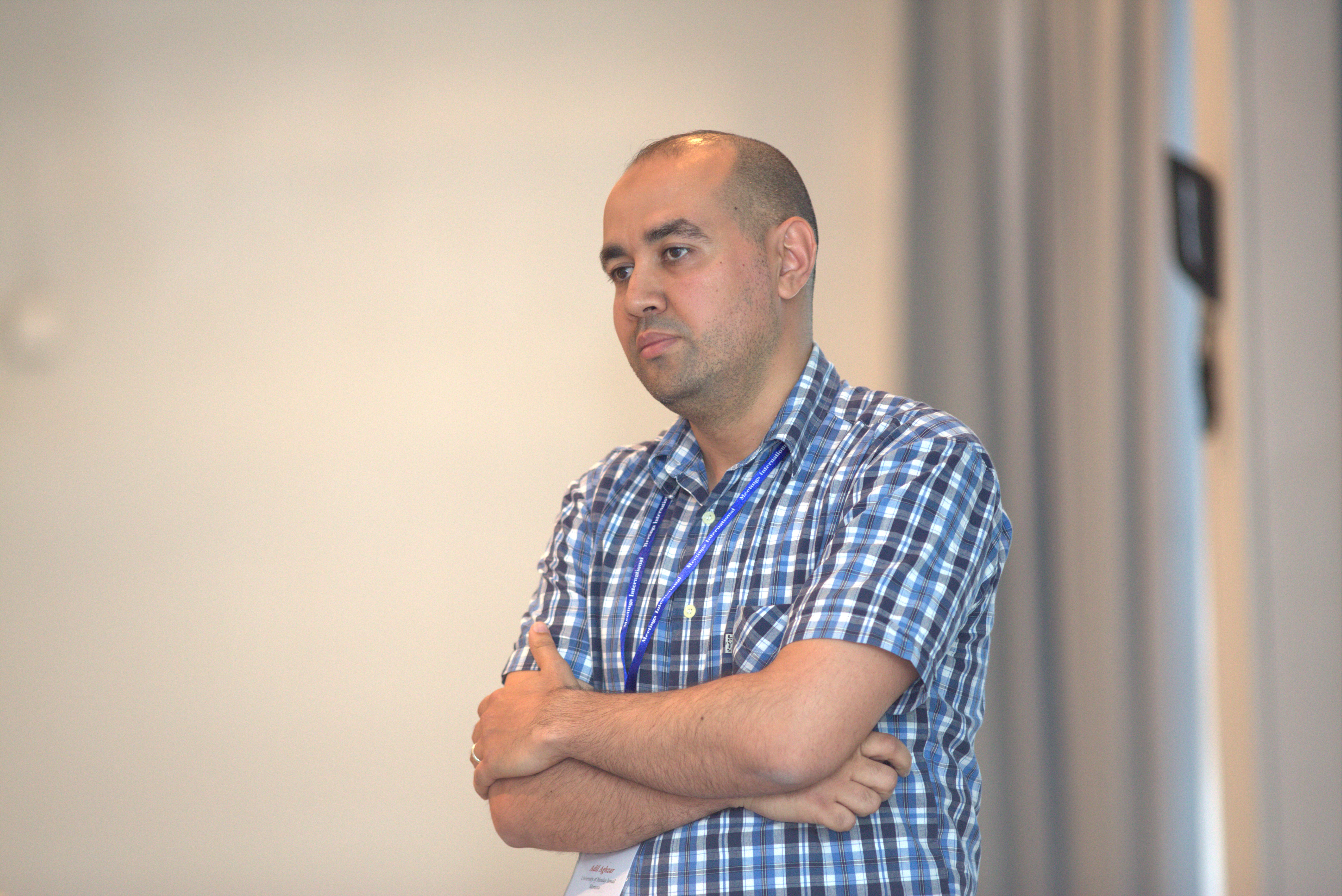
Thank you. Yes the conference was really interesting.
Adil Aghzar
Thank you! I also think that the event was very successful and very interesting. The variety of thematic session and possibility to meet experts from different fields of marine biology and aquaculture was the biggest advantage of the conference. However, it might be useful to attract more participants to next conference.
Magdalena Jakubowska
Thank you for your kind welcome and appreciated support during the appreciable meeting. Thank you for your kind offer to continue to cooperate to this interesting initiative and I am available to cooperate again in remote and to eventually attend the conference. Thank you and your colleagues and the scientific valuable people that attended the conference for your kind cooperation.
Gianluca Ragusa
Thank you for allowing me to participate in this event, I liked the organization and the people who participated, I made many friends too. Of course I would like to collaborate with you in organizing the next Aqua 2019 conference.
Alfredo Olivera Galvez
The meeting was a success with many experience professional.
Nyan Taw
A very thorough and well written set of points. It’s great that you took the time to put this together.
Feng Gao
Thank you for offering an unforgettable experience for all of us. We are honored to attend the conference. We are so happy and thanks a lot.
Stef Stienstra
Many thanks for your continuous support throughout the conference. It was the pleasure to participate and shared the findings at such high level meetings.
Pooja Jain
The conference was very enjoyable and I was honoured to be able to present my research at this prestigious event. The conference was particularly good for me as it is always important to keep up with the new developments
Glenda Gray
I had a wonderful time at the conference and learned so much from the presenters. Thank you kindly for putting this event together.
Marc HV Van Regenmortel
I had a great time in the conference, Everythings are OK, thank you .
Hsiao-Hui Chiu
Wonderful!! thank you for all the help you have done
Sharadha Ramesh

Thank you for your arrangement. Our team enjoyed the meeting so much. Wish you all success in the coming meetings!
CHAN Yui Fung
Surely we will maintain our relation in long run. If there is any opportunity for me to start my carrier being fresher and any guidance from you to me. It will be highly appreciated.
Monika kankarwal
I appreciate your polite contact. I enjoyed my first visit to Singapore. It was meaningful to spend academic meeting. I thank you for your consideration.
Kazue Sawami
Thank you for the email ,it was my sincere honor and pleasure to participate , many thanks for the invitation ,well organised conference, great hospitality ,well composed programme,interesting nursing topics, but not very large group size enough group size to be conducive to excellent discussions, I wish you all the success for your further conference
Hana Kadhom
Thank you for successful conference in Singapore. And thank you for giving me opportunity of oral presentation. It was very good experiences to me.
Hyun, Myung sun.